The Soviet Union (1922-1991) was a socialist state led by the Communist Party, with Moscow as its capital. The Union of Soviet Socialist Republics (USSR) dissolved in 1991, leading to the independence of its 15 republics and the end of the Cold War.
For nearly seven decades, the Soviet Union was a central player in global affairs, influencing the course of history through its policies, ideology, and actions. While the CCCP (Soyuz Sovetskikh Sotsialisticheskikh Respublik) ultimately failed to achieve its goals and collapsed under the weight of its contradictions, its legacy continues to shape the world we live in today.
Our Mission
Soviet Union Dot Com aims to reach people through neutral and unbiased historical information, challenging prejudices to contribute to peaceful coexistence between East and West. We bridge the gap between propaganda and counter-propaganda through factual, compassionate storytelling.
A Glimpse into the Soviet Era
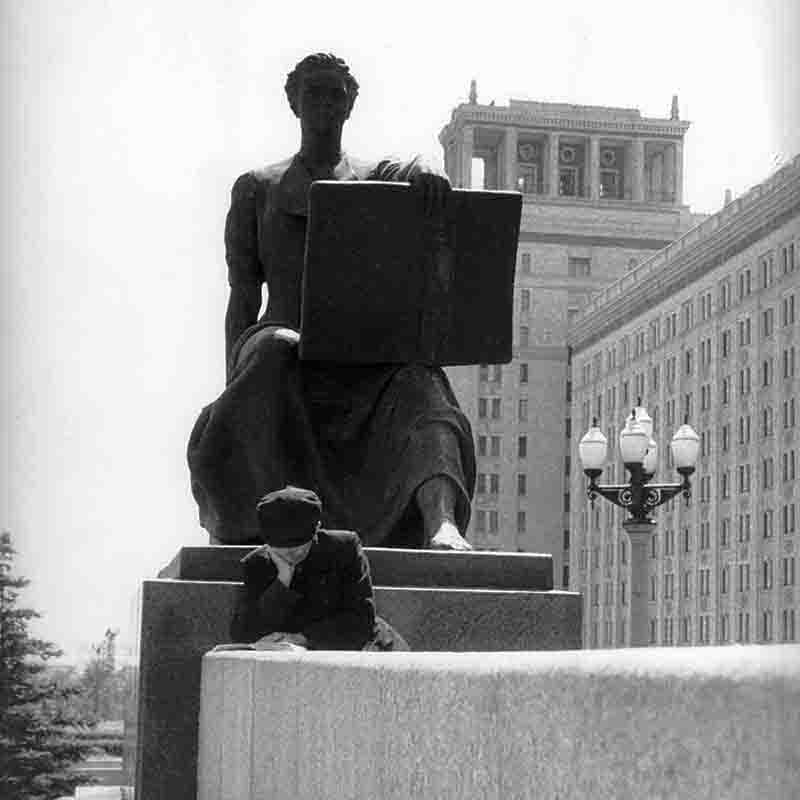
At a time of intense political tension between the East and West, Peter Bock-Schroeder made history as the first West German photojournalist to be granted permission to work in the Soviet Union.
After Stalin's death in 1953, photographers from the West were able to photograph the Soviet Union for the first time. And yet the country remained largely unknown even to objective Western observers.
"The Soviet Union's impact on global politics, culture, and society continues to be studied and debated, with its history offering valuable lessons on governance, ideology, and international relations."
Heroic Figures and State Power
The Soviet Union left behind a monumental legacy with its state-sponsored art movement known as Socialist Realism. This officially sanctioned style became the dominant aesthetic throughout the USSR and Eastern Bloc countries.
The sculptures of the Soviet Union, with their large dimensions, heroic figures and idealised depictions of Soviet life, reflect not only propaganda and political control, but also the aspirations and ideals of the Soviet people.
Why the West Misunderstands Russia and the USSR
There is a considerable gap between the propaganda and the distorting counter-propaganda. The portrayal of the Soviet people in the West is characterized by profound individual knowledge and curiosity, but also by an astonishing degree of ignorance.
A people with all their feelings, longings, joys and sufferings, hopes and expectations are all reduced to the silhouette of incomprehension. Ignorance, however, seems sinister and reckless. Where this hostility comes from is well known:
-
Enforced Isolation: The Soviet Union's enforced isolation from the rest of the world lasted for decades, preventing cultural exchange and mutual understanding.
-
Historical Xenophobia: Geopolitical fears and uncertainties during the Tsarist era, particularly from the British and Austro-Hungarian empires, laid groundwork for later suspicion.
-
Iron Curtain: When the Iron Curtain gradually opened in 1991 after the collapse of the Soviet Union, light fell on the eastern stage, enabling a focused and candid perspective.
Building Bridges: Now that the curtain is sadly closing once again, it is particularly important to build bridges between people in the East and the West through culture, knowledge, compassion and peace.
The Cold War
The ideological struggle between capitalism and communism defined the second half of the 20th century. From the origins of the Cold War in 1945 through decades of proxy conflicts, nuclear brinkmanship, and the Space Race, this period shaped global politics.
Explore the Cold War
Discover how wartime allies became bitter enemies in just 24 months, from Yalta to the Truman Doctrine.
Read Cold War Overview →Key Conferences
Yalta, Potsdam, and the diplomatic moments that defined the post-war world order.
Yalta 1945 →Exclusive USSR Photography
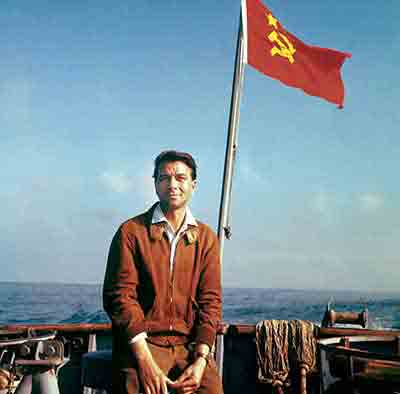
The Peter Bock-Schroeder Archive
In 1956, Peter Bock-Schroeder (1913-2001) was the first West German photographer to be permitted to work in the USSR. His exclusive collection offers an uncensored glimpse into post-war Soviet life.
Explore the Collection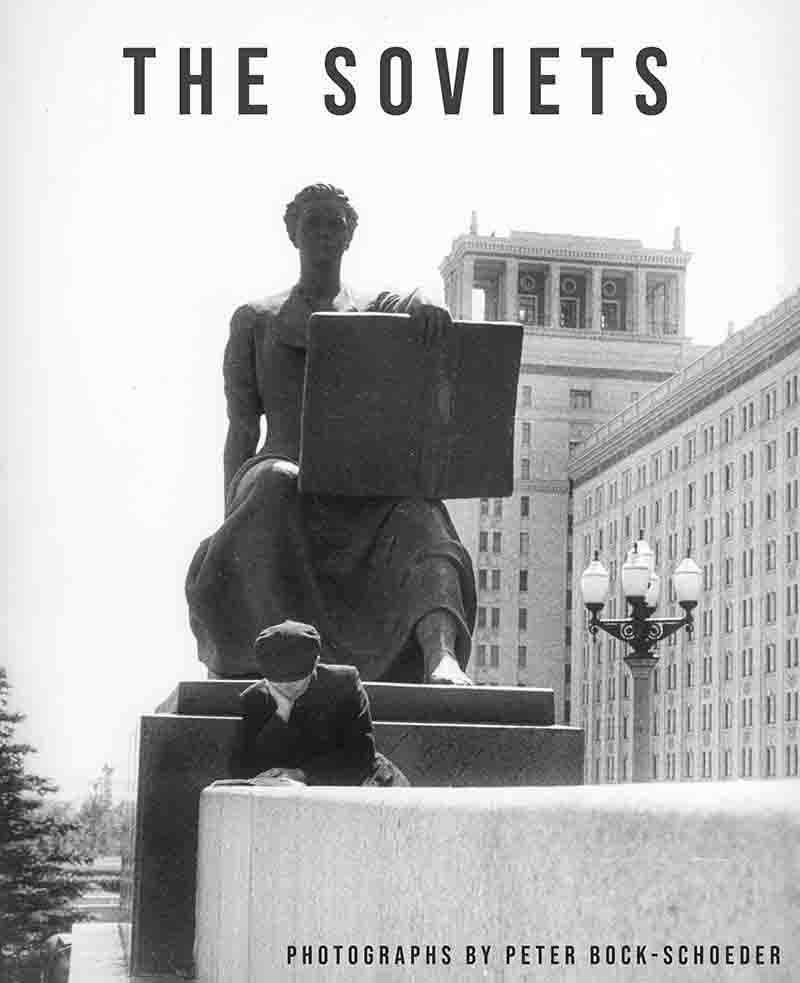
The sequence of 89 pictures in this exclusive fine art photography volume builds on contextual, thematic, compositional, and factual aspects.
The book connects extraordinary photographs by the very first West German photojournalist permitted to work in the former USSR, following the Second World War.
First limited edition scheduled for Spring 2026.
Visit The-Soviets.comFrequently Asked Questions
Explore Key Topics
Art & Culture
Photography
On This Page
Quick Facts
- Founded: December 30, 1922
- Dissolved: December 26, 1991
- Area: 22.4 million km²
- Currency: Soviet ruble
- Motto: "Workers of the world, unite!"
Featured Articles
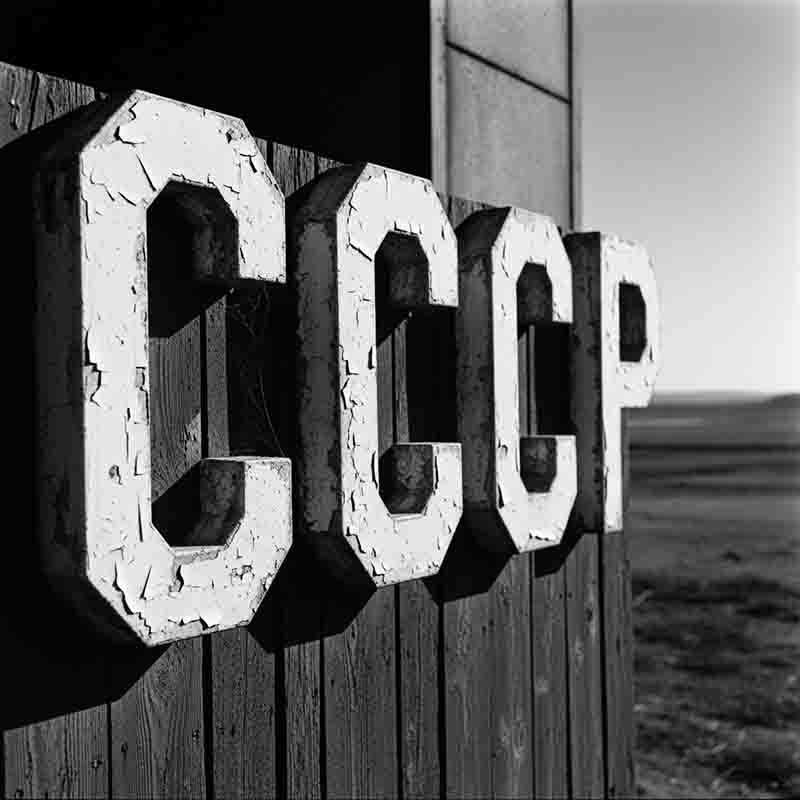
The abbreviation CCCP was widely used on official documents, currency, and state symbols of the Soviet Union.
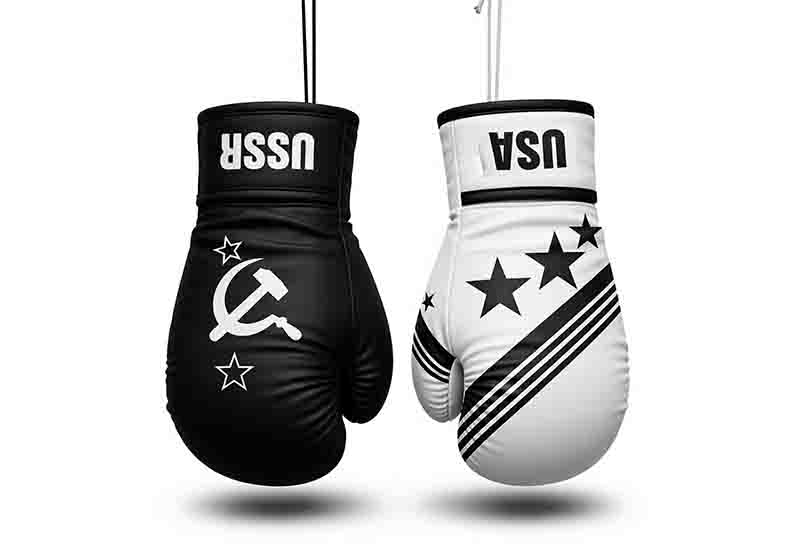
The Cold War was a period of geopolitical tension between the United States and the Soviet Union.
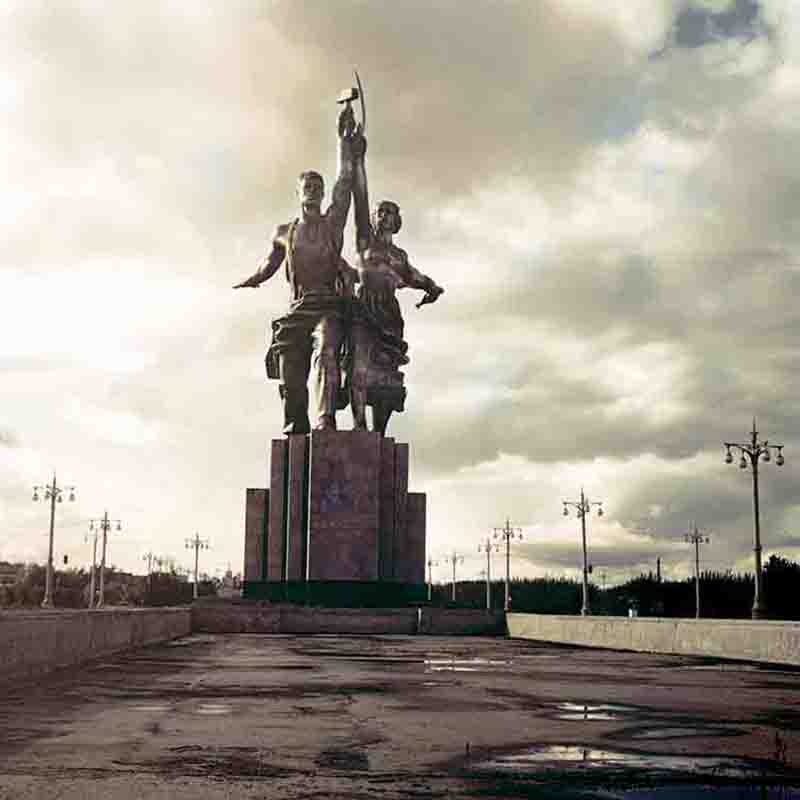
The iconic sculpture "Worker and Kolkhoz Woman", created by Vera Mukhina for the 1937 World's Fair in Paris.
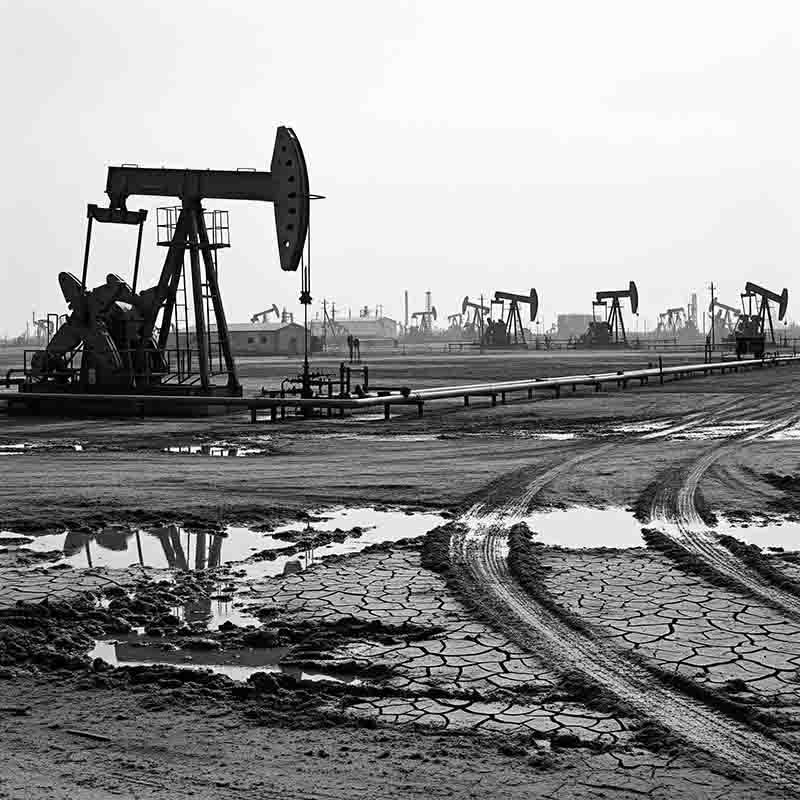
Located on the Absheron Peninsula, the area's rich oil and gas deposits have profoundly shaped local and world history.
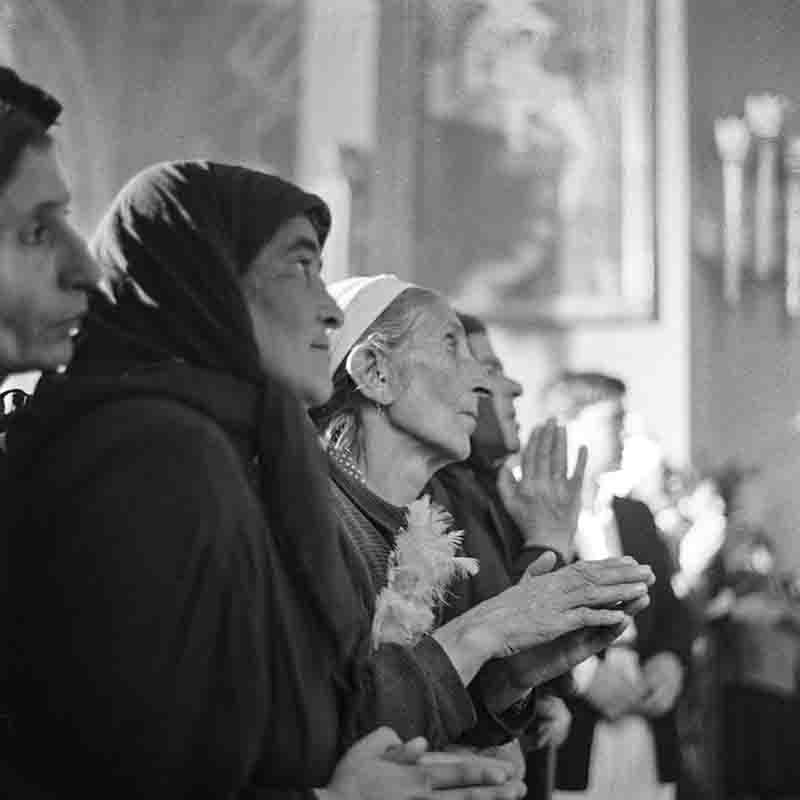
Throughout the post-war Soviet period, the Russian Orthodox Church continued to exist under state supervision.
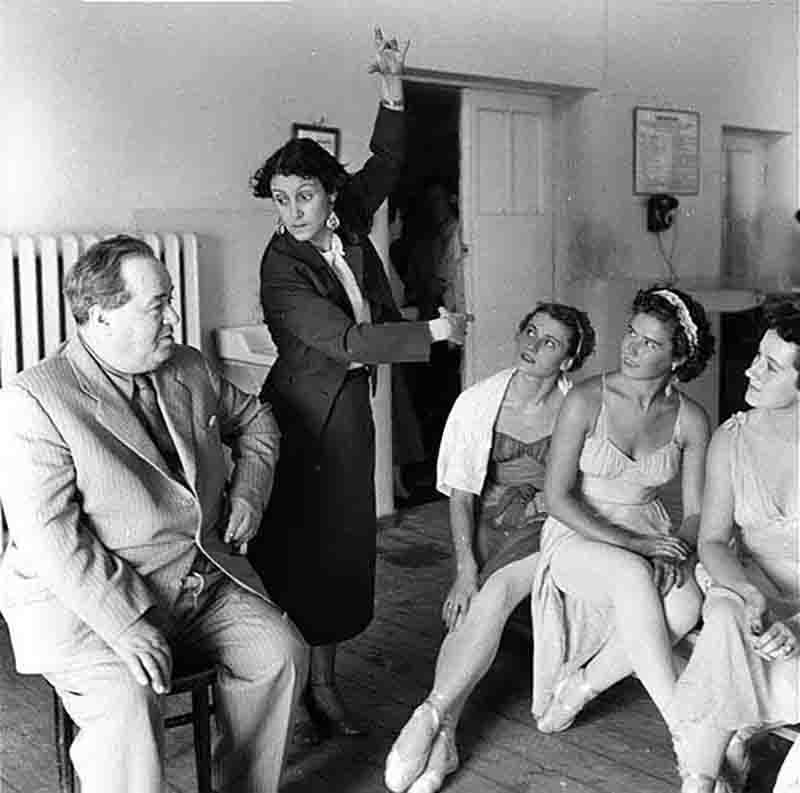
Yuri Fyodorovich Fayer and Sulamith Mikhailovna Messerer, Bolshoi Theatre Moscow 1956 by Peter Bock-Schroeder (1913-2001)
About Soviet Union Dot Com
Founded in 2001 by Jans Bock-Schroeder, Soviet Union Dot Com is dedicated to preserving and sharing the history of the USSR through neutral, unbiased historical information and the world's most exclusive collection of uncensored post-war Soviet photography.
Last Updated: February 11, 2026 | Contact: Get in touch