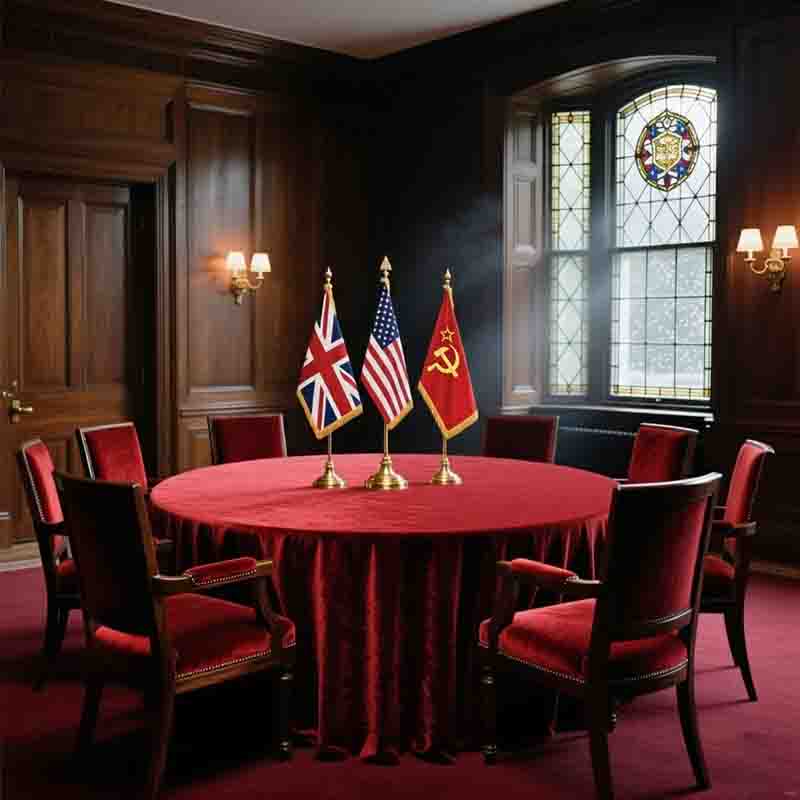
The Potsdam Conference, held in the summer of 1945, brought together the "Big Three" Allied powers, the United Kingdom, the United States, and the Soviet Union, to negotiate the post-war reconstruction of Europe.
In July 1945, with Germany defeated and the war against Japan nearing its conclusion, the three Allied leaders gathered at a palace outside Berlin for their final wartime conference. Harry S. Truman, Winston Churchill, and Joseph Stalin convened at Potsdam to finalize the postwar order, but the meeting revealed deepening cracks in the Grand Alliance that would soon harden into the Cold War.
The Potsdam Conference (codenamed Terminal) represented both the formal end of World War II's alliance politics and the beginning of superpower confrontation. The agreements reached at Potsdam would determine Germany's occupation, Poland's borders, and the treatment of defeated enemies. Yet the growing mistrust between East and West became unmistakably clear, particularly after Truman received news of the successful atomic bomb test.
Historical Significance
Potsdam was the third and final of the wartime conferences among the Big Three (preceded by Tehran in 1943 and Yalta in February 1945). It occurred at a pivotal moment: Germany had surrendered, the atomic bomb was tested during the conference, and the British electorate would remove Churchill from office mid-summit.
The Big Three
The Potsdam Conference brought together three leaders, but not the same trio that had met at Yalta five months earlier. Changes in American and British leadership would significantly affect the dynamics of negotiation.
Harry S. Truman
U.S. President
Succeeding Roosevelt after his death in April 1945, Truman arrived determined to be "tough" with Stalin. He received news of the successful atomic bomb test during the conference.
Winston Churchill
British Prime Minister
Attended the opening sessions but left July 25 to await election results. When Labour won, he was replaced by Clement Attlee, who returned July 28 to complete the conference.
Joseph Stalin
Soviet General Secretary
The only constant from previous conferences, Stalin remained focused on securing reparations, territorial gains, and friendly governments in Eastern Europe.
The Changing of the Guard
The contrast between Roosevelt and Truman was stark. Roosevelt had pursued a policy of accommodation with Stalin, believing that personal diplomacy could bridge ideological divides. Truman, a Missouri senator with limited foreign policy experience, adopted a more confrontational approach. He immediately halted Lend-Lease aid to the Soviet Union after Germany's surrender and instructed his delegation to resist Soviet demands.
Churchill's departure and Attlee's arrival marked another dramatic shift. The Labour government prioritized domestic reconstruction over imperial grandeur, and Attlee proved less inclined to challenge Soviet expansion than Churchill had been. This change weakened the Western position at a critical moment in negotiations.
Setting and Logistics
Why Potsdam?
The choice of Potsdam reflected both symbolic and practical considerations. Located just outside Berlin, the conference site demonstrated Allied control over defeated Germany while allowing Stalin to remain relatively close to Soviet lines. The Cecilienhof Palace, built between 1913-1917 for Crown Prince Wilhelm, offered a neutral venue with sufficient space for the massive delegations.
The palace's Tudor-style architecture and 176 rooms provided accommodations for the leaders and their staffs. The round table in the great hall, specifically designed for the conference, became the symbol of the negotiations. Unlike Yalta, where Roosevelt stayed in the main conference palace, Truman resided in a nearby villa, while Stalin occupied a heavily guarded compound.
The Atomic Shadow
The most significant development during the conference occurred on July 16, when Truman received word that the Trinity test in New Mexico had successfully detonated the world's first atomic bomb. The news transformed Truman's negotiating posture. He became more confident and less willing to make concessions to secure Soviet entry into the Pacific War.
Truman casually mentioned to Stalin that the United States possessed "a new weapon of unusual destructive force." Stalin, who already knew about the atomic project through Soviet intelligence, showed little reaction. However, the bomb's existence accelerated Soviet efforts to develop their own nuclear weapons and contributed to the emerging arms race.
The Key Agreements
The Potsdam Conference produced the Potsdam Agreement, which established the framework for postwar Germany and Europe. However, many decisions reflected compromises that would soon unravel.
Germany
• Four occupation zones (American, British, Soviet, French)
• Joint Control Council in Berlin
• Demilitarization and denazification
• Treatment as single economic unit (largely ignored)
Reparations
• USSR takes reparations from their zone
• 15% of industrial equipment from west zones (in exchange for food/coal)
• 10% additional without compensation
• Poland's claims settled from Soviet share
Poland & Borders
• Oder-Neisse line as provisional western border
• Former German territories under Polish administration
• Königsberg (Kaliningrad) to USSR
• "Orderly transfer" of German populations
Institutions
• Council of Foreign Ministers established
• Allied Control Council for Germany
• War crimes trials to proceed
• Peace treaty preparation for Italy and Axis minors
The Potsdam Declaration
On July 26, 1945, the United States, Britain, and China issued the Potsdam Declaration, demanding Japan's immediate unconditional surrender. The declaration warned:
"The alternative for Japan is prompt and utter destruction."
The declaration specified that Japan's sovereignty would be limited to its home islands, that its military would be disarmed, and that war criminals would be prosecuted. It made no mention of the atomic bomb, but the successful test two weeks earlier made the threat credible. When Japan's government hesitated, the bombs fell on Hiroshima (August 6) and Nagasaki (August 9).
The Polish Question
Poland remained a central issue at Potsdam, just as it had been at Yalta. However, the reality on the ground had shifted dramatically—Soviet-backed authorities were already firmly in control.
The Oder-Neisse Line
The conference confirmed the Oder-Neisse line as Poland's provisional western frontier. This meant Poland would gain substantial territories from defeated Germany, including parts of Pomerania, Silesia, and East Prussia, while losing the eastern territories to the Soviet Union. The "provisional" nature of this arrangement would last until 1990.
"The three heads of government agree that, pending the final determination of Poland's western frontier, the former German territories east of a line running from the Baltic Sea immediately west of Swinemunde, and thence along the Oder River to the confluence of the western Neisse River..."
The Transfer of Populations
One of the most consequential—and controversial—decisions at Potsdam concerned the "orderly transfer" of German populations from Poland, Czechoslovakia, and Hungary. The conference recognized that:
"The transfer to Germany of German populations, or elements thereof, remaining in Poland, Czechoslovakia and Hungary, will have to be undertaken."
This euphemistic language sanctioned the largest forced population movement in European history. Between 1945 and 1950, approximately 12-14 million ethnic Germans were expelled from Eastern Europe, with estimates of deaths during the transfers ranging from 500,000 to 2 million. The humanitarian catastrophe of these expulsions remains a contested historical issue.
The Moral Complexity
The Potsdam transfers represented both retribution for Nazi crimes and a humanitarian disaster. The Allies accepted the expulsions as a fait accompli—Czechoslovakia and Poland had already begun removing German populations. The conference merely provided international legitimacy to ongoing ethnic cleansing.
Germany's Fate
The Potsdam Conference established the detailed framework for Germany's occupation, but the agreements contained contradictions that would soon lead to division.
The Four Ds
Allied policy toward Germany was guided by four principles:
Demilitarization: Complete disarmament and prevention of future military production
Denazification: Removal of Nazi influence from government, education, and media
Decentralization: Development of local and state government (later modified)
The Reparations Crisis
The reparations agreement proved unworkable. The Soviet Union demanded $10 billion in reparations, while the Western powers sought to prevent the economic collapse that had followed World War I. The compromise allowed the USSR to take reparations from its zone and receive 25% of industrial equipment from the western zones—15% in exchange for food and coal, 10% without compensation.
In practice, the Soviets stripped their zone of industrial equipment, while the Western powers concluded that extracting reparations would starve the German population. By 1946, the Western zones stopped delivering reparations, and the unified economic administration envisioned at Potsdam collapsed. This economic division preceded the political division of Germany.
The Far East and the Atomic Bomb
The Pacific War dominated strategic discussions at Potsdam, though Stalin's promised entry remained the subject of delicate negotiation.
Soviet Entry into the Pacific War
Stalin reaffirmed his commitment to enter the war against Japan within three months of Germany's surrender—meaning by August 15, 1945. In exchange, he demanded the territorial concessions promised at Yalta: southern Sakhalin, the Kuril Islands, and privileges in Manchuria.
Truman's attitude toward Soviet participation shifted dramatically after July 16. With the atomic bomb now a reality, American strategists questioned whether Soviet help was necessary or desirable. Some historians argue that Truman used the bomb partly to force Japan's surrender before the Soviets could enter the war and claim territorial spoils.
The Timing Question
The atomic bomb was dropped on Hiroshima on August 6—two days before the Soviet Union declared war on Japan. Stalin accelerated his planned invasion of Manchuria to August 9, the same day Nagasaki was bombed. Whether the bomb or Soviet entry caused Japan's surrender remains debated among historians.
The Potsdam Declaration and Japan
The declaration issued on July 26 made no mention of the atomic bomb but threatened "prompt and utter destruction." It also offered Japan a conditional surrender—allowing the continuation of the imperial institution subject to Allied will. When the Japanese government hesitated, seeking clarification of terms, Truman interpreted their response as rejection.
Daily Chronicle
Opening Session
Truman and Stalin meet for the first time at the Cecilienhof Palace. Truman writes to his wife: "I like Stalin. He is straightforward." The first plenary session convenes with Churchill present. Discussions focus on Germany and Poland.
German Borders and Reparations
Intensive discussion of Germany's eastern borders and reparations. Stalin demands $10 billion; Truman and Churchill resist fixed figures. The French are invited to join the Control Council but not the conference proceedings.
Polish Western Frontier
The Polish delegation, led by Bolesław Bierut, presents claims to former German territories. Churchill expresses concern about the displacement of millions of Germans. Truman focuses on securing Soviet participation against Japan.
War Crimes and Austria
Agreement to establish an international tribunal for major war criminals. Discussion of Austria's treatment—agreed to be separated from Germany and occupied separately. Truman receives first reports of the Trinity test's success.
The Bomb Report
Truman receives detailed report of the atomic bomb test. He informs Churchill, who responds: "This is the Second Coming in Wrath." They agree to keep the information from Stalin temporarily. Negotiations on Germany continue.
Reparations Compromise
Foreign ministers work on reparations formula. Molotov insists on specific figures; Byrnes resists. A compromise emerges: Soviet zone reparations plus transfers from western zones in exchange for food deliveries.
Naval Disposition
Discussion of the surrendered German navy and merchant marine. Agreement to divide the fleet equally among the three powers (later including France). Churchill raises concerns about Soviet activities in Eastern Europe.
Truman Informs Stalin
Truman casually mentions to Stalin that the U.S. has "a new weapon of unusual destructive force." Stalin, already informed by Soviet intelligence, shows little reaction but later accelerates the Soviet atomic program. Churchill departs for London.
Churchill Departs
Churchill leaves for London to await election results. Attlee remains as acting head of the British delegation. The conference pauses for two days while the British await the verdict of their electorate.
The Potsdam Declaration
The United States, Britain, and China issue the Potsdam Declaration demanding Japan's unconditional surrender. British election results announced: Labour wins landslide victory. Churchill resigns; Attlee becomes Prime Minister.
Conference Suspended
Conference activities suspended while Attlee forms his government. Truman and Stalin hold informal discussions. The new British Foreign Secretary, Ernest Bevin, prepares to take over from Anthony Eden.
Attlee Returns
Clement Attlee returns as Prime Minister, accompanied by Ernest Bevin. The contrast with Churchill is striking—Attlee is quieter, less confrontational. Negotiations resume on German economic principles.
Final Negotiations
Intensive final negotiations on remaining issues: German economic unity, reparations details, and peace treaty procedures. The Council of Foreign Ministers is established. Stalin secures most of his territorial demands.
Signing and Departure
The Potsdam Agreement signed at 10:00 PM. Truman departs for the United States; Attlee returns to Britain; Stalin returns to Moscow. The final wartime conference concludes. Four days later, Hiroshima is destroyed.
Aftermath and the Cold War
The Potsdam Conference ended the wartime alliance and began the Cold War. The agreements reached provided a temporary framework for Germany, but the underlying tensions proved irreconcilable.
The Division of Germany
Within months of Potsdam, the unified economic administration collapsed. The Soviet Union extracted reparations ruthlessly from its zone, while the Western powers concluded that German economic recovery was essential for European stability. By 1946, the U.S. and Britain merged their zones economically (Bizonia), followed by the inclusion of the French zone (Trizonia). The Soviet blockade of Berlin in 1948 marked the definitive division of Germany.
The Iron Curtain Descends
Winston Churchill's famous speech at Fulton, Missouri, in March 1946 declared that "an iron curtain has descended across the continent." The observations he made at Potsdam—Stalin's inflexibility, Soviet consolidation of Eastern Europe, and the atomic monopoly—had convinced him that cooperation was impossible.
"From Stettin in the Baltic to Trieste in the Adriatic, an iron curtain has descended across the continent. Behind that line lie all the capitals of the ancient states of Central and Eastern Europe."
The Atomic Arms Race
Stalin's spies had kept him informed of the Manhattan Project, but the demonstration of American nuclear capability at Potsdam accelerated Soviet efforts. The USSR successfully tested its first atomic bomb in 1949, years earlier than Western intelligence predicted. The nuclear standoff that defined the Cold War began at Potsdam.
12 Key Facts About Potsdam
Code Name: The conference was codenamed "Terminal" by the Americans, reflecting its status as the final wartime summit.
Duration: The conference lasted 17 days—the longest of the three wartime conferences—with 13 plenary sessions.
Mid-Conference Election: Potsdam was the only major international conference where one leader (Churchill) was replaced by another (Attlee) due to election results.
The Round Table: The famous green felt-covered round table in the Cecilienhof great hall was specifically constructed for the conference.
Atomic Secret: Truman received confirmation of the successful atomic bomb test on July 16, dramatically changing his negotiating stance.
Stalin's Health: Stalin suffered a mild heart attack during the conference but continued negotiations from his bed for two days.
Red Star: The Soviets placed a massive red star in the Cecilienhof courtyard, visible from the air to guide Stalin's aircraft and assert Soviet presence.
Expulsions: The conference sanctioned the "orderly transfer" of 12-14 million ethnic Germans from Eastern Europe—one of history's largest forced migrations.
No French Participation: France was excluded from the conference despite being granted an occupation zone, creating lasting resentment.
Königsberg: The conference agreed to transfer the city of Königsberg (now Kaliningrad) and surrounding area to the Soviet Union.
Japanese Surrender: The Potsdam Declaration was issued July 26; Japan surrendered August 14, just 12 days after the conference ended.
Final Meeting: Potsdam was the last meeting of the wartime Big Three. No further summit conferences occurred until Geneva in 1955.
Frequently Asked Questions
The Potsdam Conference was the final wartime meeting of the three major Allied leaders—U.S. President Harry S. Truman, British Prime Minister Winston Churchill (later replaced by Clement Attlee), and Soviet Premier Joseph Stalin—held July 17 to August 2, 1945, at the Cecilienhof Palace in Potsdam, Germany. It addressed the final postwar reorganization of Germany and Europe.
Key agreements included: confirmation of Germany's division into four occupation zones; establishment of the Oder-Neisse line as Poland's provisional western border; Soviet receipt of reparations from their zone and additional industrial equipment from western zones; creation of the Council of Foreign Ministers; and the Potsdam Declaration demanding Japan's unconditional surrender.
The conference was held at the Cecilienhof Palace in Potsdam, a suburb of Berlin, Germany. The palace was built between 1913-1917 for Crown Prince Wilhelm of Germany and was chosen partly for its location in the Soviet occupation zone and its capacity to house the large delegations.
Winston Churchill left the Potsdam Conference on July 25, 1945, to return to London for the results of the British general election held on July 5. When the Labour Party won a landslide victory, Churchill was replaced as Prime Minister by Clement Attlee, who returned to Potsdam on July 28 to complete the negotiations.
The Potsdam Declaration was issued on July 26, 1945, calling for Japan's unconditional surrender. Issued by the United States, Britain, and China (with Soviet participation pending their entry into the Pacific War), it warned of "prompt and utter destruction" if Japan did not surrender. Japan's rejection led to the atomic bombings of Hiroshima and Nagasaki.
Potsdam is considered the start of the Cold War because it revealed deep divisions between the Western Allies and the Soviet Union. Truman's toughness toward Stalin, disagreements over reparations and German economic policy, and the presence of the atomic bomb (successfully tested during the conference) created an atmosphere of suspicion that characterized superpower relations for decades.
Many Potsdam agreements were either violated or became sources of Cold War tension. The promise of "free and unfettered elections" in Eastern Europe was never fulfilled. The unified economic treatment of Germany collapsed as the Soviet Union extracted reparations unilaterally from their zone, leading to the division of Germany by 1949.
Historians view Potsdam as a qualified success that achieved short-term goals while revealing long-term divisions. It established the framework for occupation and prevented immediate chaos in Germany. However, the disagreements revealed at Potsdam—particularly over reparations and Eastern Europe—set the stage for four decades of Cold War confrontation.
Continue Reading
← Previous Yalta Conference
Next → The Truman Doctrine
On This Page
The Big Three
Harry S. Truman — U.S. President (1945-1953)
Winston Churchill — British Prime Minister (1940-1945)
Clement Attlee — British Prime Minister (from July 28, 1945)
Joseph Stalin — Soviet General Secretary (1924-1953)
Key Data
Dates: July 17 - August 2, 1945
Location: Cecilienhof Palace, Potsdam, Germany
Code Name: Terminal
Plenary Sessions: 13
Outcome: Potsdam Agreement
Related Articles
Download
Get the complete Potsdam Conference documents and timeline.
Potsdam Documents PDF (Available 15.3.26)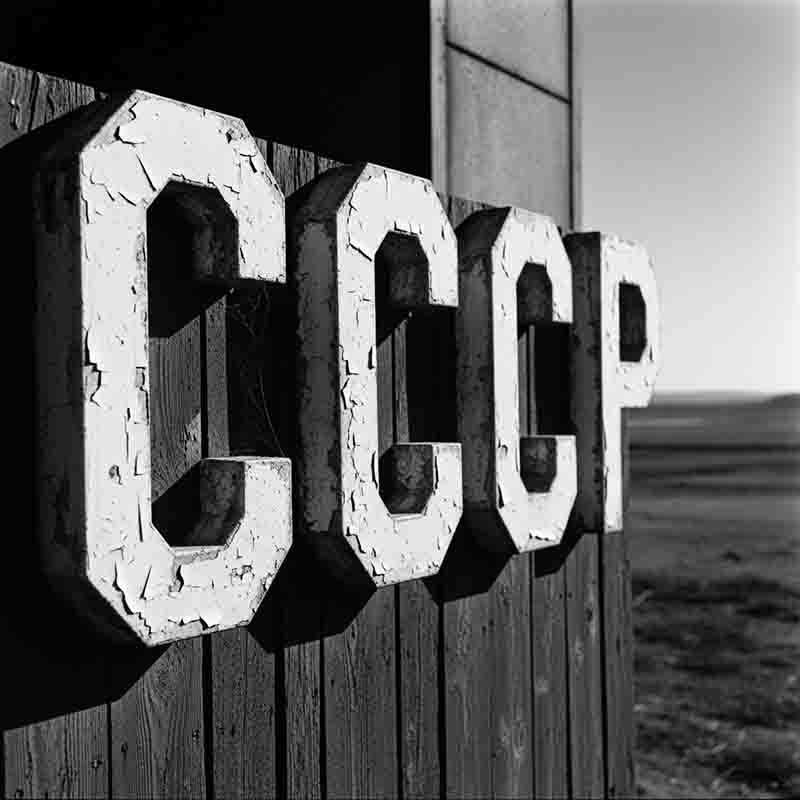
The abbreviation was widely used on official documents, currency, and state symbols of the Soviet Union.
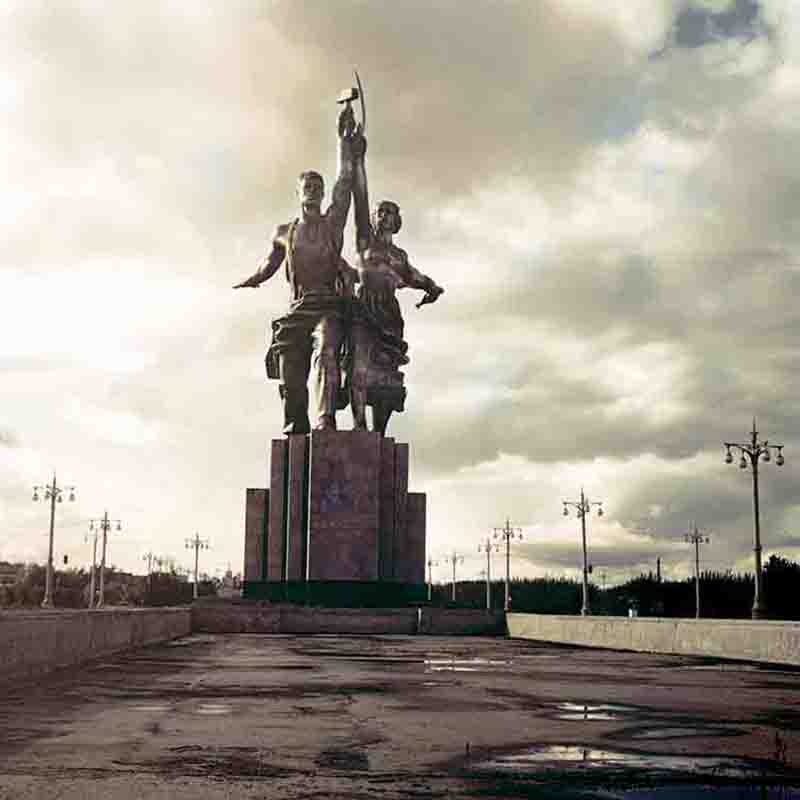
The iconic sculpture "Worker and Kolkhoz Woman", created by Vera Mukhina for the 1937 World's Fair in Paris.
About This Article
This article examines the Potsdam Conference of July-August 1945, the final wartime meeting of Truman, Churchill, and Stalin that marked the beginning of the Cold War. Part of the Cold War series on soviet-union.com
Last Updated: February 14, 2026 | Reading Time: 15 minutes