Konrad Adenauer(1876–1967) was a German statesman who served as the first Chancellor of the Federal Republic of Germany (West Germany) from 1949 to 1963.
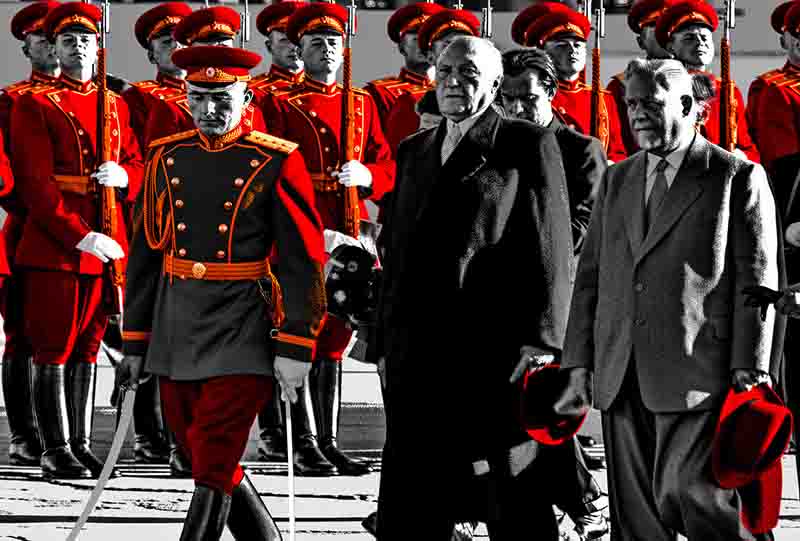
His 'Potsdam Complex', the fear that the four victorious powers might agree among themselves to create a unified but neutral Germany, drove his foreign policy and shaped West Germany's relationship with Moscow for over a decade.
Konrad Adenauer, as the first Chancellor of the Federal Republic of Germany (1949-1963), faced the fundamental dilemma of the early Cold War: whether to pursue reunification through accommodation with the Soviet Union or to anchor West Germany firmly in the Western alliance. Adenauer chose the latter path, prioritizing Western integration over Soviet enticements.
Adenauer's policy remains controversial. Critics argue he missed opportunities for reunification; defenders maintain that he secured West Germany's freedom and prosperity, creating the foundation for eventual unity on Western terms.
Key Concept: The Potsdam Complex
Adenauer's "Potsdam Complex" referred to his nightmare that the four victorious powers might reach agreement to create a unified but neutral and weak Germany. To prevent this, he sought to integrate West Germany unconditionally into the West, skillfully exploiting fears that the Allies might turn away from the Federal Republic and opt for cooperation with the Soviet Union.
The Stalin Note of 1952
On March 10, 1952, Soviet leader Joseph Stalin issued a diplomatic note that would haunt Adenauer's legacy. The Stalin Note proposed a unified, independent Germany with its own military, free elections, and a peace treaty—provided Germany remained neutral and accepted the Oder-Neisse line as its eastern border.
The Dilemma
The proposal came at a critical moment: West Germany was on the verge of signing the General Treaty and the European Defense Community (EDC) treaty, steps that would integrate it firmly into Western military structures. The timing suggested to Adenauer and Western leaders that Stalin's offer was designed to prevent this integration rather than achieve genuine reunification.
"Stalin's pragmatic approach to the German problem was grounded in his obsession with the danger of another German attack, a view that Adenauer ('no George Kennan') was unable, or unwilling, to take."
Adenauer's Response
Adenauer rejected the Stalin Note, viewing it as a Soviet maneuver to delay or prevent West German integration into Western defense structures. He insisted on proceeding with the contractual agreements and EDC. However, he faced pressure from coalition partners and the opposition Social Democrats, who urged further exploration of the Soviet offer.
Soviet Proposal
- • Unified Germany
- • Free elections
- • Own national army
- • Neutrality (no NATO)
- • Oder-Neisse border
Adenauer's Objections
- • Propaganda tactic
- • Would prevent Western integration
- • Neutral Germany vulnerable to USSR
- • No guarantee of genuine democracy
- • Would abandon 18 million East Germans
Historical Debate
Post-Cold War archives reveal that Stalin quickly discarded the note after its rejection and ordered military buildup in the GDR. Soviet Foreign Ministry files show the note was designed to disrupt West German remilitarization rather than achieve unity. However, historians like Rolf Steininger argue it represented a genuine opportunity that Adenauer squandered.
The Path of Western Integration
Adenauer's strategy rested on the Magnet Theory: a prosperous, democratic West Germany integrated into Western institutions would exert an irresistible "magnetic attraction" on East Germans, ultimately creating conditions favorable to reunification on Western terms.
Fear of Neutralization
Adenauer believed that a reunited Germany would likely be neutralized and vulnerable to Soviet influence. He prioritized creating a stable, prosperous West Germany integrated into NATO and the European Community, calculating that this would eventually create the conditions for reunification.
"Adenauer skillfully exploited West Germany's unique situation within the Cold War scenario and stressed the need to integrate it unconditionally into the West. But his unwillingness to compromise on the issue of unification posed a burden to Allied attempts to alleviate Cold War tensions."
The 1953 Uprising
The Soviet suppression of the June 1953 uprising in East Berlin reinforced Adenauer's skepticism about Soviet intentions. The brutal crackdown demonstrated that Moscow was committed to maintaining communist control in East Germany, validating his policy of Western integration. As Hope Harrison noted, both Adenauer and East German leader Walter Ulbricht manipulated their superpower allies to ensure their countries' interests were paid due attention.
The uprising also revealed the risks of any policy that might destabilize East Germany. The Eisenhower administration, while publicly supporting German aspirations, privately shared Adenauer's concern that rapid unification might threaten Western European stability.
The 1955 Moscow Breakthrough
Despite his firm anti-communist stance, Adenauer recognized opportunities for limited engagement with Moscow. In September 1955, he made a historic state visit to the Soviet Union—the first by a West German leader—achieving a diplomatic breakthrough that secured both the release of prisoners and formal diplomatic relations.
The Negotiations
From September 9-13, 1955, Adenauer negotiated with Soviet Premier Nikolai Bulganin and Communist Party First Secretary Nikita Khrushchev. The talks were tense. Adenauer sought written guarantees for the release of German POWs; the Soviets offered only verbal promises. The Chancellor eventually accepted the "word of honor" of the Soviet government that approximately 9,000-10,000 remaining prisoners would be repatriated.
"There is hardly any comment to be made in regard to the complete collapse of the West German position during these negotiations... The Soviets have achieved probably their greatest diplomatic victory in the post-war period."
The Agreement
The two sides agreed to establish full diplomatic relations with exchange of ambassadors, subject to parliamentary approval. Adenauer sent unilateral letters to the Soviet government reserving West Germany's position on future borders and relations with East Germany—reservations the Soviets neither accepted nor explicitly rejected.
Prisoner Release
On October 1, 1955, the first POWs returned from Soviet captivity, exiting freight cars at the border station in Herleshausen, Hesse. The emotional homecomings were widely covered in the West German press, which emphasized how well the men had survived their ordeal. The release of these last prisoners of war closed a painful chapter of the postwar era.
The Soviet Presidium formally approved the prisoner release on September 29, 1955, though they temporarily halted the process when West Germany attempted to delay the exchange of ambassadors. The last prisoners returned by early 1956.
The Hallstein Doctrine
In 1955, the same year as the Moscow breakthrough, Adenauer's government established the Hallstein Doctrine, named after Walter Hallstein, State Secretary to the Foreign Minister. This policy committed West Germany to break diplomatic relations with any state that recognized the German Democratic Republic (East Germany)—with the sole exception of the Soviet Union.
Diplomatic Isolation of the GDR
The doctrine reflected Adenauer's claim that the Federal Republic alone represented the entire German nation. It was a defensive mechanism designed to prevent the international legitimization of East Germany. However, it also limited West Germany's diplomatic flexibility and became a point of leverage for third countries, particularly in the Arab world, who could threaten recognition of East Germany to extract concessions from Bonn.
Limitations of the Doctrine
The Hallstein Doctrine prevented West Germany from maintaining relations with countries that recognized East Germany, yet it could not stop the GDR from gradually gaining international recognition. By the 1960s, the doctrine was becoming increasingly difficult to enforce, and it was eventually abandoned when Willy Brandt became Chancellor in 1969.
The doctrine created a peculiar symmetry in Cold War diplomacy: just as the Soviet Union sought to consolidate its control over Eastern Europe, West Germany sought to isolate East Germany internationally. Both German states used their relationships with superpowers to advance their competing claims to legitimacy.
Historical Assessment
Adenauer's Soviet policy remains subject to historical debate. Critics argue that his rigid anti-communism and prioritization of Western integration missed genuine opportunities for reunification. Defenders maintain that he secured West Germany's freedom, prosperity, and integration into Western institutions, creating the foundation for eventual unity.
The Reunification Question
As Jost Dülffer noted, it took the Federal Republic a long time to discover that it was a state, and even longer to discover that there were two German states. Adenauer's Magnet Theory—that prosperity would draw East Germans westward—achieved dramatic successes until the Berlin Wall ended free movement in 1961.
"Adenauer was therefore correct in his decision to concentrate on the Federal Republic's Western integration and its development into a prosperous democracy. This contributed to the later success of reunification along the lines of Magnettheorie."
Legacy
Adenauer's policy created the stable, prosperous West Germany that eventually served as the foundation for reunification in 1990. Yet his prioritization of Western integration over immediate reunification left a divided Germany for four decades. The debate over whether the Stalin Note represented a missed opportunity continues to reflect contemporary German conflicts over identity and historical responsibility.
Adenauer and the USSR: Timeline
Chancellorship Begins
Konrad Adenauer becomes first Chancellor of the Federal Republic of Germany, facing the immediate challenge of positioning West Germany in the emerging Cold War.
The Stalin Note
Stalin proposes German reunification in exchange for neutrality. Adenauer rejects the offer, prioritizing Western integration.
Western Integration Proceeds
West Germany signs the General Treaty and EDC agreements, moving firmly into the Western camp despite Soviet proposals.
East German Uprising
Soviet suppression of workers' uprising in East Berlin demonstrates Moscow's commitment to maintaining communist control.
Berlin Conference
Four Power conference fails to produce agreement on German reunification. Western powers relieved when Soviet proposals prove unacceptable.
West Germany Joins NATO
Federal Republic becomes member of NATO, cementing Western alliance. Soviet Union responds by creating Warsaw Pact.
Moscow Visit
Adenauer visits Moscow, establishes diplomatic relations with USSR, and secures release of approximately 10,000 German POWs.
Hallstein Doctrine
West Germany adopts policy of breaking relations with states recognizing East Germany (except USSR).
POWs Return
First German prisoners of war return from Soviet captivity, crossing the border at Herleshausen.
Khrushchev's Berlin Ultimatum
Soviet leader demands Western powers leave Berlin within six months, beginning the second Berlin crisis.
Berlin Wall Built
East Germany seals border, ending the refugee flow that had weakened the GDR. Adenauer's Magnet Theory faces its greatest challenge.
Adenauer Resigns
Adenauer steps down as Chancellor, leaving a prosperous, stable West Germany firmly anchored in the Western alliance.
12 Key Facts About Adenauer and the Soviet Union
First Chancellor: Konrad Adenauer served as Chancellor of West Germany from 1949 to 1963, longer than any other German leader in the 20th century.
Potsdam Complex: Adenauer feared the four victorious powers might agree to create a unified but neutral Germany, driving his policy of Western integration.
Stalin Note 1952: Rejected Soviet proposal for reunification in exchange for neutrality, viewing it as a tactic to prevent Western integration.
Western Priority: Consistently prioritized integration into NATO and European institutions over immediate pursuit of reunification.
Magnet Theory: Believed a prosperous West Germany would attract East Germans and create conditions for eventual reunification on Western terms.
1953 Uprising: Soviet suppression of East German workers confirmed his skepticism about Soviet intentions.
Moscow Visit 1955: First West German leader to visit the USSR, establishing diplomatic relations and securing POW release.
Prisoner Release: Secured freedom of approximately 10,000 German POWs still held in Soviet captivity a decade after WWII.
Hallstein Doctrine: Policy of isolating East Germany diplomatically by breaking relations with states recognizing the GDR.
No Written Guarantees: Accepted only verbal Soviet promises on prisoner release, drawing criticism from domestic opponents.
Berlin Crisis: Faced Khrushchev's 1958 ultimatum demanding Western withdrawal from Berlin.
Historical Legacy: Created the stable, prosperous West Germany that eventually served as the foundation for 1990 reunification.
— Willy Brandt, articulating the view Adenauer rejected
Frequently Asked Questions
Continue Reading
← Previous
Next →
On This Page
Key Figures
- Konrad Adenauer — Chancellor of West Germany (1949-1963)
- Walter Hallstein — Architect of the Hallstein Doctrine
- Joseph Stalin — Soviet leader (until 1953)
- Nikita Khrushchev — Soviet leader (from 1953)
- Nikolai Bulganin — Soviet Premier (1955)
- Walter Ulbricht — East German leader
Key Events
- March 1952: Stalin Note
- June 1953: East German Uprising
- May 1955: West Germany joins NATO
- Sept 1955: Moscow Visit & POW release
- 1955: Hallstein Doctrine
Related Articles
Resources
Explore primary documents and historical analysis. (Available April 2026)
Adenauer's Moscow Visit FRUS Documents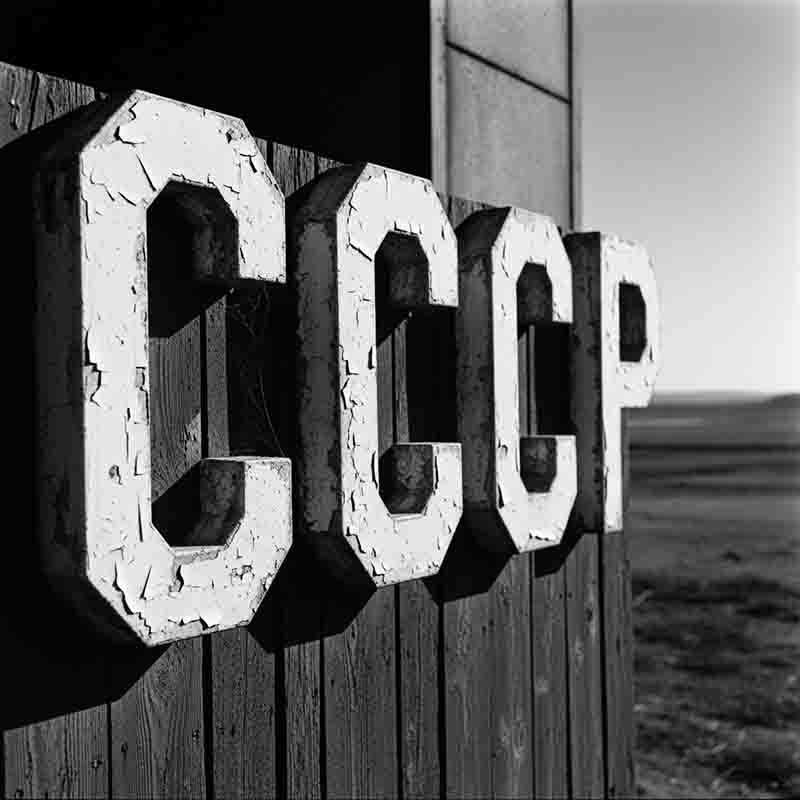
The abbreviation was widely used on official documents, currency, and state symbols of the Soviet Union.
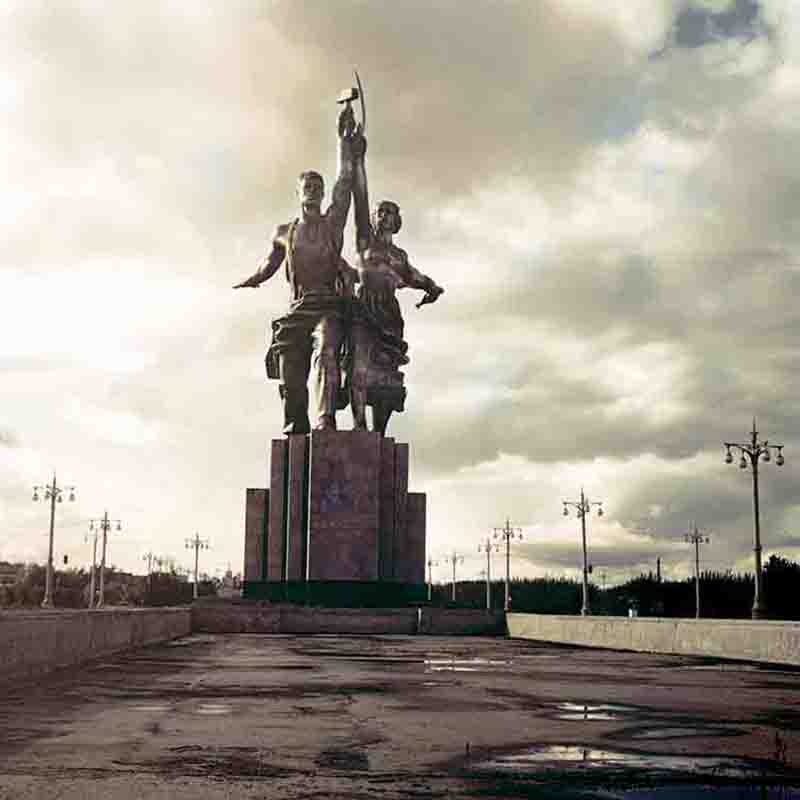
The iconic sculpture "Worker and Kolkhoz Woman", created by Vera Mukhina for the 1937 World's Fair in Paris.
About This Article
This article examines Konrad Adenauer's complex relationship with the Soviet Union as first Chancellor of West Germany, from the Stalin Note controversy to the 1955 Moscow breakthrough. Part of the Cold War history series on soviet-union.com.
Last Updated: September 16, 2025 | Reading Time: 15 minutes